
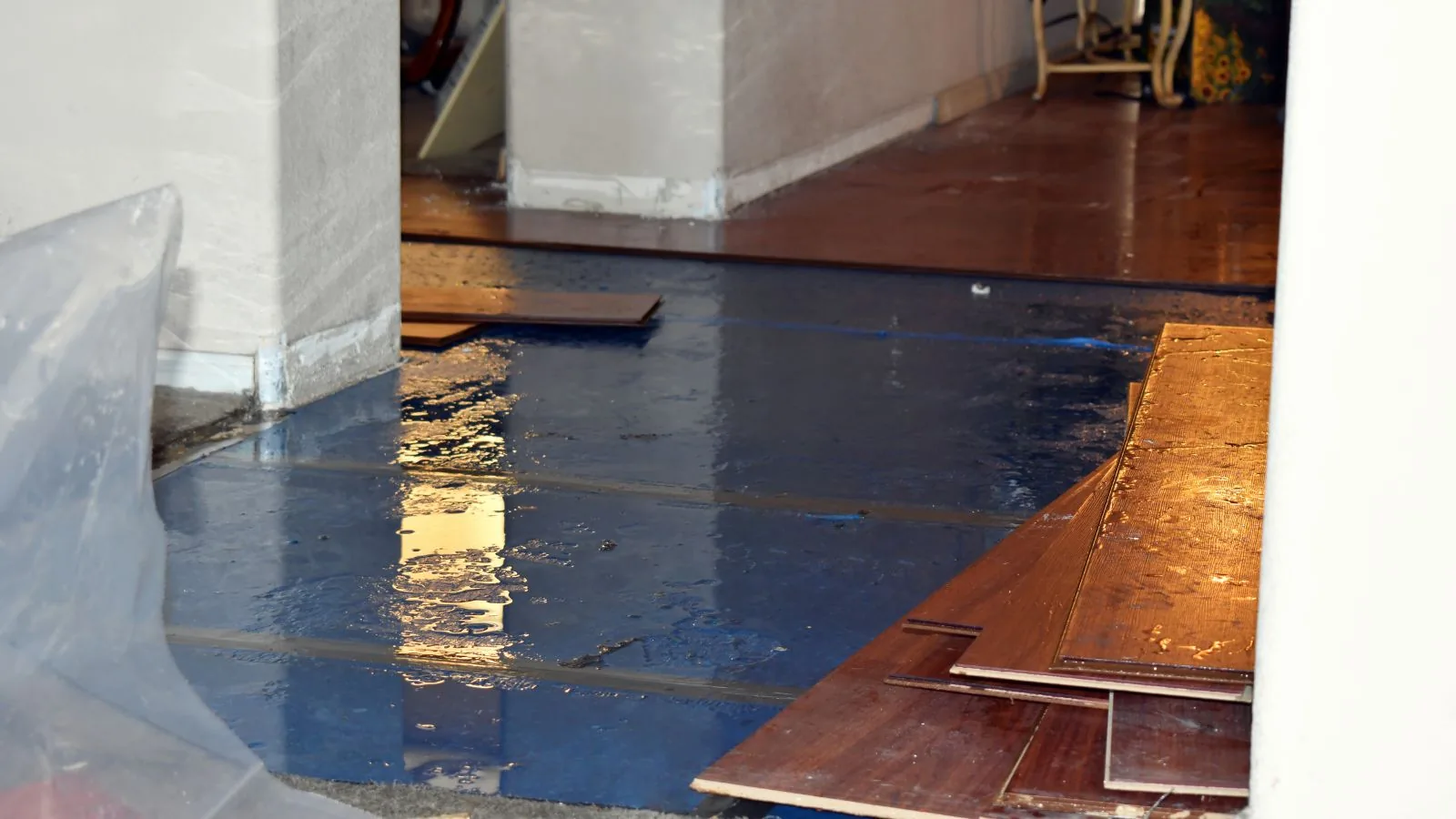
Water in a basement or lower-level room is an emergency. It can rise fast, short out electrical equipment and soak stored belongings, and it often has a smell. Our 24/7 line is open at any hour. Stay out of the water, avoid the electrical panel if it is wet and call.
If you can do so from a dry spot, shut off the source and photograph the room. Move belongings above the water line if it is safe. Leave sump pump decisions to a professional, and call the utility or 911 about electrical hazards before you call us.
When a basement flood is an emergency
A lower level collects water from several directions. Rain can enter through foundation cracks, window wells and doors. Plumbing can fail above or inside the room. A drain can back up. Groundwater pressure can push water through the floor. The source tells the crew which type of water they are dealing with.
This page is about the below-grade room itself, including finished basements, laundry rooms and storage. Water that rose from outside is also discussed in flood damage cleanup, and contamination from a drain is covered in sewage backup cleanup.
Basement safety
B
a
s
e
m
e
n
t
s
c
o
m
b
i
n
e
w
a
t
e
r
,
p
o
w
e
r
a
n
d
s
t
o
r
e
d
h
a
z
a
r
d
s
.
- Stay out of standing water if you cannot see the electrical panel is dry.
- Do not use household vacuums or fans on wet floors.
- If a sump pump has failed, call a professional and avoid wading in the water.
- Treat musty or sewer odor as a sign to call quickly.
Cleanup after a basement flood
The crew extracts water with submersible pumps, removes wet materials that cannot be dried, and cleans and treats surfaces. Moisture meters map walls and flooring, and air movers and dehumidifiers dry the rest. Finished basements need extra care because walls, carpet and trim hold water behind the surface.
A lower level is also where mold shows up, because air moves less and moisture lingers. If you see growth or smell it, read about mold remediation before disturbing the area.
| Water source | What the crew expects | Special concern |
|---|---|---|
| Rain entering through walls or window wells | Outside water, treated as contaminated | Soil and debris |
| Plumbing failure above | Often clean water | Wet ceiling and walls |
| Drain or sewer backup | Category 3 contamination | Disinfection and removal |
| Sump pump failure | Groundwater | Equipment power and repeat flooding |
Water in the basement now? Call the 24/7 line and tell us where it is coming from.
☎ Call (833) 521-1033What cleanup is not: waterproofing
Restoration is not waterproofing. We remove water and dry the structure, and we do not install drainage, repair foundation cracks or replace sump pumps. If water keeps returning after rain, a drainage or waterproofing contractor addresses the entry, and the cleanup should wait until the cause is understood.
Lower levels in Millbrae
We have no local figure on how many Millbrae homes have basements, and we will not guess. Hillside lots and older houses on the Peninsula can have lower levels, garages and partial basements, and your home may or may not. Published climate summaries place most rain in the area between November and April, so the wet season is when lower levels get tested.
In December 2021, local news reported Millbrae neighbors worried about flooding after a storm and blaming drainage. Check the FEMA flood map for your address and ask the city about drainage near your block.
What affects basement cleanup cost
Water type and finishes matter most.
- Water category
- Outside or sewage water adds removal.
- Area and depth
- More area means more equipment.
- Finishes
- Finished walls, carpet and trim add demolition.
- Drying days
- Concrete and block walls dry slowly.
- Rebuild
- Repairs after drying are separate work.
Basement jobs are scoped and priced before the pumps start. Call (833) 521-1033
Insurance and basement water
Homeowners policies usually exclude flood and groundwater unless separate coverage was added, while sudden plumbing failures are often covered. Check your policy and ask your insurer, and keep photos and cleanup records.
Service area
We answer calls from Millbrae, Burlingame, San Bruno, San Mateo, South San Francisco and Daly City, as well as Belmont and San Carlos. Carpet in a lower level is covered in carpet water damage restoration.
The standard behind this work
For lower-level losses, ANSI/IICRC S500 guides how water is categorized and dried, and the EPA mold guidance sets the 24 to 48 hour drying benchmark we work against.
Questions we hear in Millbrae
Is a flooded lower level something to call about at night?
Yes, at any hour. Stay out of the water, keep clear of wet electrical equipment and call.
Do you waterproof basements or replace sump pumps?
No. We remove water and dry the structure. Waterproofing and sump pump replacement are different trades.
Can I pump the water out myself?
For a small, clean spill, perhaps. For deeper or contaminated water, the equipment, the electrical risk and the drying that follows call for a professional.
How do I stop mold in a wet basement?
Dry it fast. The EPA advises drying within 24 to 48 hours, and keeping humidity below 60 percent, ideally between 30 and 50 percent.
Will insurance cover a flooded basement?
Flood and groundwater are usually excluded unless you have separate coverage. Plumbing failures are often covered. Ask your insurer.