
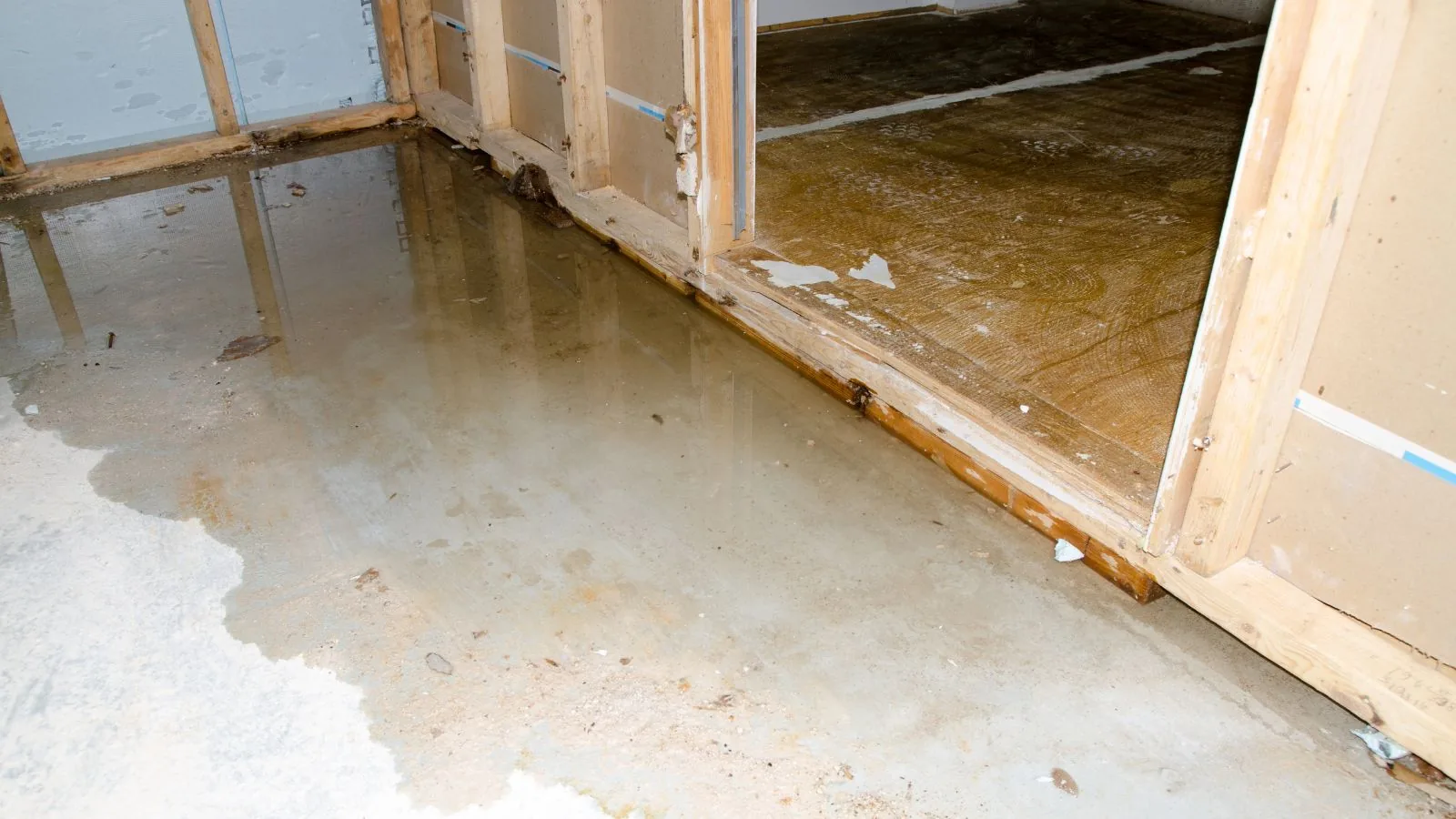
Carpet is a sponge on top of another sponge. The fibers hold water, and the pad underneath holds more. Whether the carpet is kept depends on the water source and how long it stayed wet. Clean water caught quickly can often be dried in place, while contaminated water means removal.
If your carpet is soaked, stop the source, lift furniture off the carpet and place foil or plastic under any legs that must stay. Do not walk on it more than necessary, and do not use a household vacuum. Photograph the room and call.
Can wet carpet be kept?
Three questions decide it. What kind of water was it, how long was it wet, and what is under the carpet. Water from a clean supply line within the first day or two can often be handled. Gray water gets more caution, and sewage or outside flood water means the carpet and pad come out.
The pad is usually the deciding factor. It is thick, absorbent and slow to dry, and many crews replace it even when the carpet is kept. A moisture meter checks the pad, the tack strip area and the subfloor so the decision comes from numbers.
| Water source | Typical carpet outcome | Pad outcome |
|---|---|---|
| Clean supply line, caught fast | Often dried in place | May be dried or replaced |
| Appliance discharge, a day or more | Case by case | Often replaced |
| Sewage or outside flood water | Removed | Removed |
| Long-term moisture | Often removed, mold check | Removed |
Carpet wet right now? Call and describe the water and how long it has been there.
☎ Call (833) 521-1033How carpet is dried
Crews extract water from the carpet with weighted wands, lift the carpet from the tack strip at a corner and place air movers under or across it. Dehumidifiers remove the moisture from the air, and technicians log readings until the carpet, pad and subfloor meet the drying goal.
Wet carpet can feed odor and mold within a few days. The EPA advises drying wet materials within 24 to 48 hours. If growth has already appeared, see mold remediation, and for details on equipment, read structural drying and dehumidification.
Carpet in Millbrae homes and condos
Carpet is common in bedrooms, stairs and closets, and about 40 percent of Millbrae households rent, based on the 2020 Census. Rental and condo carpet leaks often come from upstairs units or shared walls, so tell the property manager and take photos of any visible water. A sprinkler leak from a neighbor or common area can soak a closet without any plumbing in your own unit.
If carpet must be replaced, wait for the subfloor to be confirmed dry before installing new pad. Putting new carpet over a damp floor is a common cause of repeat trouble.
What affects carpet water damage cost
The pad and the water type decide most of it.
- Water category
- Contaminated water means removal.
- Area and carpet type
- More area and thicker pad need more drying.
- Pad condition
- Pad is often replaced.
- Drying days
- Days follow how deep the water went.
- Replacement
- New carpet and pad are separate flooring work.
Carpet work is scoped and priced before the pad is pulled. Call (833) 521-1033
Insurance and carpet damage
Sudden leaks are often covered, and long-term seepage often is not. Photographs and moisture logs help. Ask your insurer how your policy handles flooring.
Service area
Hardwood jobs come from Millbrae and from nearby Burlingame, South San Francisco and Belmont. For hard flooring, see hardwood floor water damage repair.
Checking the carpet and the room, not only the surface
A carpet that feels dry on top can still hold water in the pad and the floor beneath. A crew lifts a corner in an out-of-the-way spot, reads the pad and the subfloor with a moisture meter and compares those numbers with a dry area of the same room. If the readings are high, the carpet is usually pulled back so the pad can be removed and the floor dried.
Tack strips, baseboards and the bottom of the wall often need attention too, because water wicks upward. Taking them off early lets air reach the edge of the room and shows whether the drywall behind is damp. Keep walking to a minimum until the crew has looked, since foot traffic pushes water deeper and spreads soil.
The standard behind this work
ANSI/IICRC S500 describes when carpet and pad can be dried in place and when they are removed, and the category of the water is what decides it.
Questions we hear in Millbrae
Can carpet and pad be dried in place?
Sometimes. Clean water caught quickly can be handled in place. Contaminated water or long exposure usually means removal.
How long before carpet gets moldy?
Mold can start within a day or two if it stays wet. The EPA advises drying within 24 to 48 hours.
Can I use a household vacuum on wet carpet?
No. It is a shock hazard and not designed for water. Use a proper extraction unit.
Do you install new carpet?
No. We dry and restore the structure. A flooring contractor installs new carpet after drying is confirmed.
Will insurance pay for carpet?
Sudden damage is often covered. Check your policy or ask your insurer.