
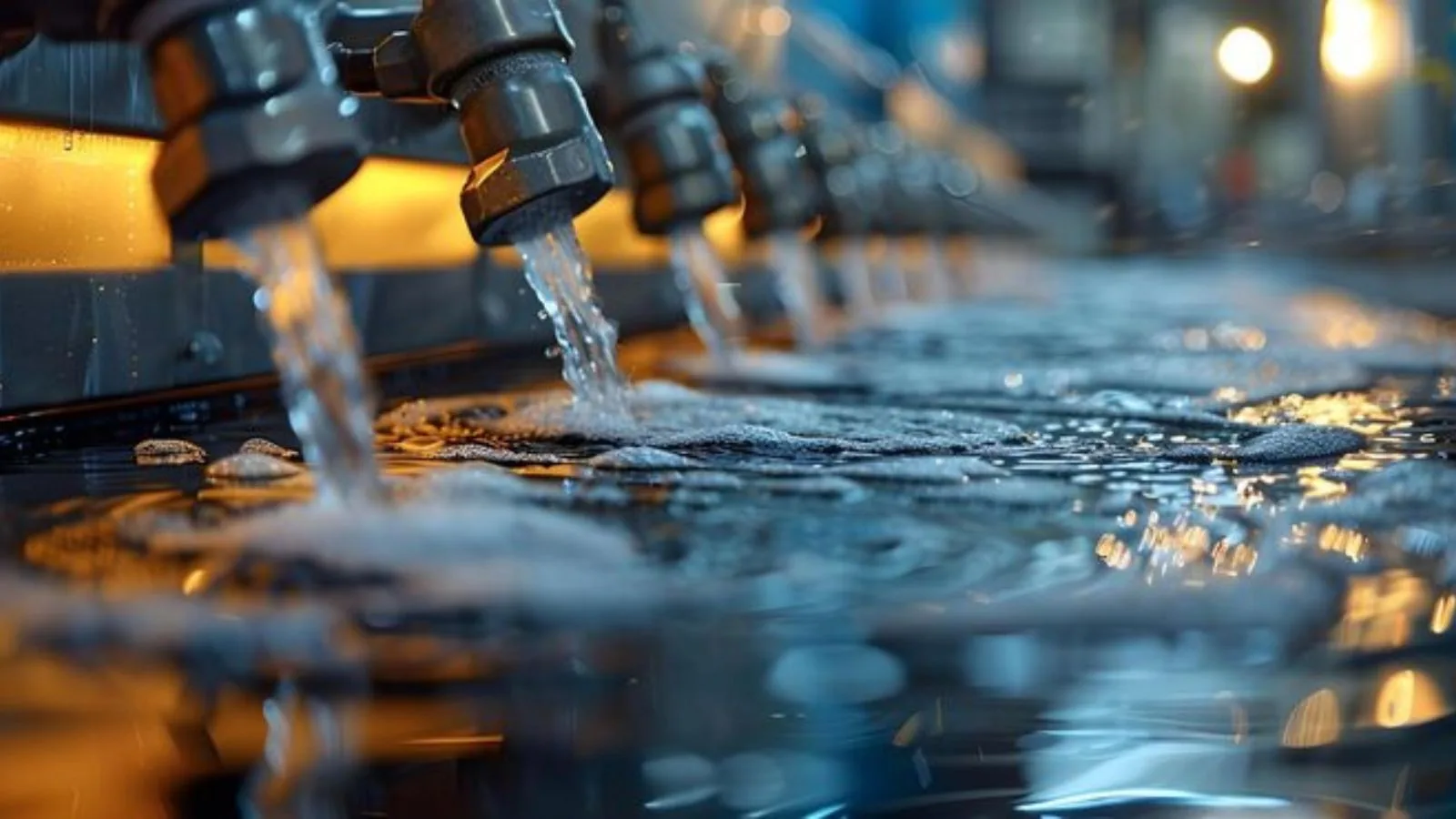
If water is standing on your floor right now, treat it as an emergency. Our line answers 24/7, including nights and weekends, so you do not have to wait for business hours to get a crew moving. Water extraction means pumping or vacuuming bulk water out of the building with powered equipment, which is a different job from mopping and a different job from drying.
While you wait for the call to be handled, stop the source if you can reach the shut-off safely. Move electronics and paper off the floor, keep children and pets out of the water, and leave the breaker alone if you would have to stand in water to reach it. Photograph the room before you move anything, because those pictures help with an insurance claim later.
When standing water is an emergency
Water does not stay where it lands. It wicks up drywall, slips under baseboards, and spreads into the pad beneath carpet within hours. A small pool in a laundry room can quietly feed the framing next to it, and an inch of water across a whole level can mean thousands of square feet of wet material.
Depth matters less than how long the water has been there and what it carries. Clean supply-line water behaves very differently from water that came up through a drain. If the source was a toilet, a sewer line or a flooded outdoor area, read the notes on sewage backup cleanup before anyone walks through it.
Safety first
S
t
a
n
d
i
n
g
w
a
t
e
r
a
n
d
e
l
e
c
t
r
i
c
i
t
y
d
o
n
o
t
m
i
x
.
- Do not touch outlets, cords or appliances that are in or near the water.
- If the water reaches an outlet or panel, call the utility or 911 before you call us.
- Never use a household vacuum on standing water.
- Treat any water that smells like sewage as contaminated and stay out of it.
How extraction works
A crew sizes up the depth, the flooring and the likely source, then picks the right tool. Portable submersible pumps handle deeper water, and weighted extraction wands pull water from carpet and pad. For larger losses a truck-mounted extraction unit can move far more water than a shop vacuum ever could.
Extraction comes first because every gallon removed as liquid is a gallon that does not have to be evaporated later. Once the bulk water is gone, moisture meters and thermal imaging find what is still wet inside walls and under floors, and the job moves into structural drying and dehumidification.
| Situation | What extraction does | What comes next |
|---|---|---|
| Ankle-deep water in a laundry room or hallway | Pumps remove standing water, then wands lift water from flooring | Moisture mapping of walls and subfloor |
| Water spread across a whole level | Truck-mounted or multiple portable units clear the bulk water | Drying plan with air movers and dehumidifiers |
| Carpet and pad soaked after a supply line failed | Wand extraction from carpet, pad lifted if it cannot be dried in place | Pad decision and subfloor check |
| Water that has sat for several days | Extraction still helps, but materials may need removal | Mold risk review under S520 practice |
Standing water now? The 24/7 line is open and a crew can talk you through what to do while you wait.
☎ Call (833) 521-1033Where the water comes from in Millbrae
Millbrae drinking water comes only from the San Francisco regional water system, which the city delivers through its own utility. Most extraction calls in a town like this start with plumbing: a failed washer hose, a cracked supply line or a water heater tank that gave out. The Bay Area rainy season, which runs roughly November through April, adds roof and drainage problems on top of that.
In December 2021, local news reported Millbrae neighbors worrying about flooding after a storm and blaming drainage. If water came from outside, check the FEMA flood map for your address and ask your insurer how outdoor water is treated, because flood losses are usually handled under a separate policy.
What we do not pump
Extraction here means water inside a building. Pumping a backyard, a pool or a driveway is a different service, and so is waterproofing or sump pump replacement. We will tell you plainly when a job falls outside indoor water removal instead of sending a crew to something it cannot fix.
What affects the price of water extraction
Every loss is different, so a real figure comes after someone looks at it. These are the factors that move the number.
- Water category
- Clean, gray and black water are handled differently under ANSI/IICRC S500, and contaminated water adds protective gear and removal.
- Area and depth
- More square footage and deeper water mean more equipment hours.
- Materials involved
- Carpet, pad, hardwood and drywall react differently, and some must be removed.
- Time since the loss
- Water that sat for days costs more to dry and may need demolition.
- Rebuild scope
- Extraction and drying are one phase. Repairs afterward are priced separately.
Pumping scope and price are laid out before we start. Call (833) 521-1033
Insurance and water extraction
Sudden and accidental water damage, such as a burst supply line, is often covered by homeowners insurance, while flood damage is usually excluded and needs separate flood coverage. Photos, moisture readings and an itemized scope all help document a loss. Check your policy or ask your insurer how your coverage applies.
Coverage near Millbrae
We answer calls for Millbrae and the nearby San Mateo County towns, including Burlingame, San Bruno, San Mateo, South San Francisco and Daly City, plus Belmont, San Carlos, Pacifica and San Francisco. Ask on the call whether your address is covered, and read about flood damage cleanup if the water came from outside.
Questions we hear in Millbrae
Will someone answer if my floor floods at 2 a.m.?
Yes. The line is answered 24/7, so a call at 2 a.m. on a Sunday gets the same attention as one at noon. Tell us the depth, the source and whether power is a concern, and we will explain what to do until a crew is on site.
Can I just rent a pump and do this myself?
For a small, clean spill that can be handled with a wet-dry vacuum, maybe. For anything that has reached walls, carpet pad or electrical equipment, extraction is only the first step and the structure still has to be dried and measured. Equipment is used on the job here and is not rented out.
How deep does the water have to be before it counts as an emergency?
Depth is not the test. Any water that is spreading, rising, coming from a pressurized line or touching electrical gear deserves a fast call. A thin film that soaked into carpet can hurt more than a deeper puddle on tile.
Do you pump outdoor yards, pools or driveways?
No. This service removes water from inside homes and businesses. Outdoor pumping is a different trade, and we say so on the first call.
What if the water has been standing for several days?
Call anyway. Extraction still removes the liquid, but porous materials may need to come out and the mold risk goes up the longer things stay wet. A crew can measure what is salvageable.