
Searches for a radon water mitigation system mix two different things. Radon mitigation is a system that reduces radon, a radioactive gas, in the air inside a building. Water mitigation is the emergency work after a leak or flood. They share a word and little else, and hiring the wrong trade wastes time.
This guide separates them so you know who to call. We handle water damage. We do not install radon systems, and we say so plainly.
What radon mitigation is
Radon is a naturally occurring radioactive gas. It is measured in picocuries per liter of air. The EPA and the U.S. Surgeon General say to fix a home when radon is 4 pCi/L or more, and to consider fixing between 2 and 4 pCi/L. A radon mitigation system usually uses a vent pipe and fan to draw gas from below the foundation and send it outside.
Testing comes first. A short-term test kit or a qualified tester measures the level, and only then does anyone decide whether a system is needed. This work is done by radon professionals, and it is unrelated to leaks.
What water mitigation is
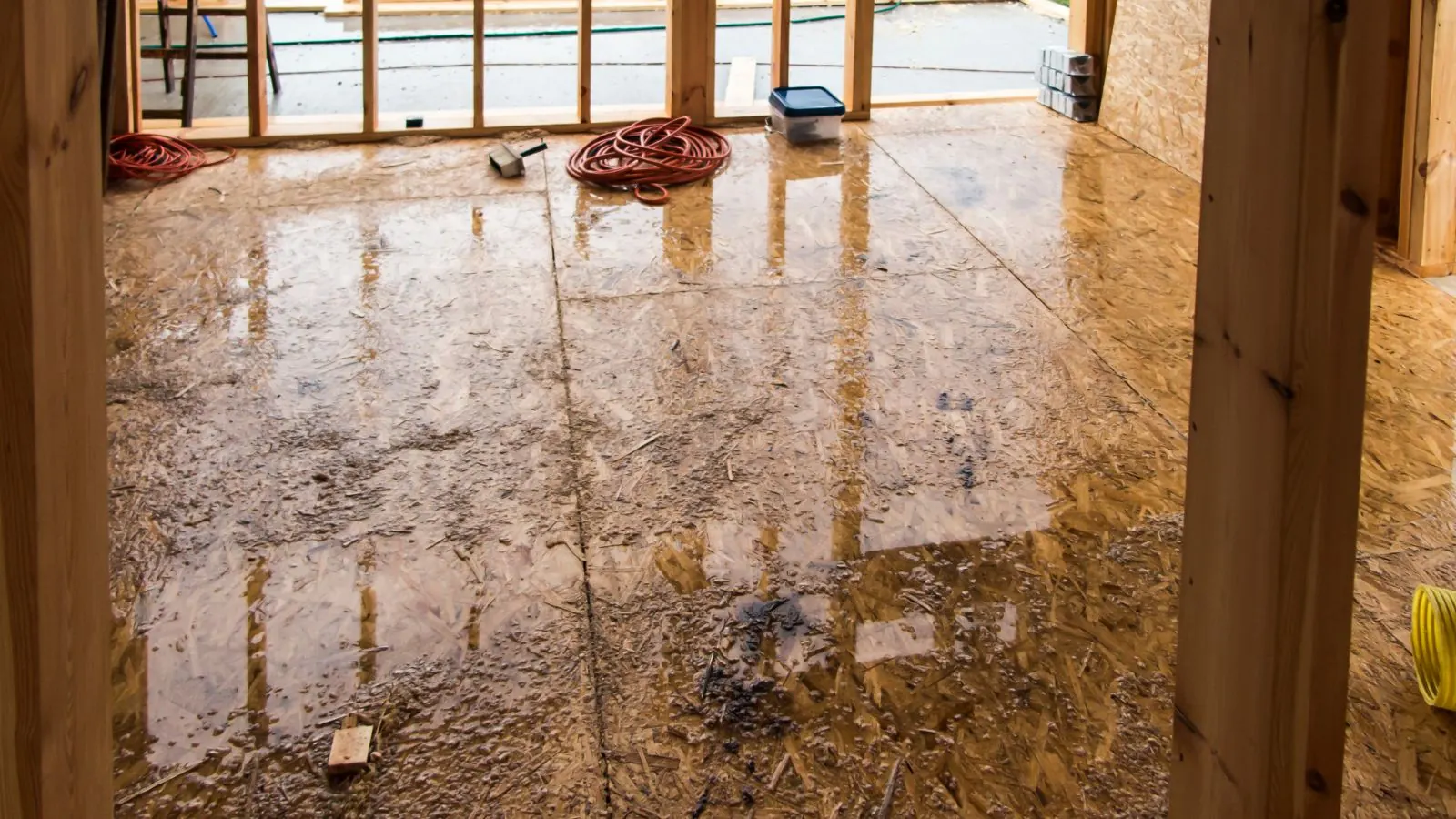
Water mitigation means stopping a water source, removing the water and drying the structure, usually after a pipe break, appliance leak, roof leak or flood. It is measured in moisture readings in walls and floors, and the goal is to dry materials before they rot or grow mold. See water extraction for how the first step works.
| Question | Radon mitigation | Water mitigation |
|---|---|---|
| What is the problem | A gas in indoor air | Liquid water in the building |
| How is it measured | Picocuries per liter of air | Moisture readings in materials |
| Typical equipment | Vent pipe and fan | Pumps, air movers and dehumidifiers |
| Who does it | Radon professional | Restoration crew |
| How urgent | Testing and planning over time | Hours matter after a leak |
Water on the floor and not a gas problem? Call the 24/7 line.
☎ Call (833) 521-1033Where they overlap
A wet basement or crawl space can raise questions about both. Water entering a lower level may also reveal cracks in a slab or foundation, and some owners test for radon at the same time they fix a moisture issue. The two jobs are still separate, and a radon pipe does not dry a wet floor, while a dehumidifier does not remove radon.
If your lower level has been wet, start with drying. Basement water damage cleanup explains that work, and a radon test can follow when the space is dry.
Why the confusion happens
Both services use the word mitigation, both involve basements, and both can show up in the same conversation with a home inspector or a real estate agent. A buyer reading an inspection report may see a note about elevated moisture in one paragraph and a radon reading in another, and assume one contractor fixes both. In reality the two problems have different causes, different instruments and different professionals.
Radon is a gas that comes from the natural breakdown of uranium in soil and rock. It moves through cracks and openings in a foundation. Water damage is liquid water from a leak, a storm or a failed appliance. A house can have one without the other, and fixing one does not fix the other.
What testing looks like for each
| Step | Radon | Water damage |
|---|---|---|
| First action | Test the air with a kit or a qualified tester | Stop the source and remove standing water |
| Measurement | Picocuries per liter, usually over days | Moisture meter and thermal camera readings, within hours |
| Typical result | A number compared to the 4 pCi/L action level | A map of wet materials and a drying plan |
| Follow-up | Retest after a system is installed | Daily readings until the drying goal is met |
| Time pressure | Plan over weeks | Act within 24 to 48 hours |
The EPA recommends testing every home for radon and explains that a long-term test gives a better picture than a short one. For a water loss, the clock is much tighter, because materials that stay wet can grow mold. That difference in timing is the clearest way to tell which problem you are dealing with.
What to do if you have both
It is possible to have a wet lower level and a radon question at the same time. A sensible order is to deal with the water first. Wet materials, high humidity and fans running during a drying job can affect some radon test conditions, so testers often ask that testing be done under normal closed-house conditions after the space is dry. Ask the tester you hire what conditions they need.
- Stop the water source and remove standing water.
- Dry the structure and confirm readings.
- Repair the cracks or leaks that let water in.
- Schedule a radon test under normal conditions.
- If the result is above the action level, hire a qualified radon professional.
Sealing cracks as part of a water repair may also be part of what a radon professional later recommends, but the two goals should not be confused. A crack sealed to stop water is not automatically a radon fix, and a radon system does not make a wet basement dry.
Questions to ask any contractor who says mitigation
Because the word is shared, ask a direct question when you call. Say whether you have water, gas or both, and ask what the company actually does. A restoration company should talk about extraction, drying equipment and moisture readings. A radon contractor should talk about testing, a vent pipe and a fan. If the answer does not match your problem, keep looking.
We can describe the water side of the job, and we are happy to say when a problem is outside what we do. That honesty spares you a call to the wrong trade.
Millbrae note
We do not publish radon levels for Millbrae, because that would need a local source and a test result for your own address. The EPA and the state publish radon information and test guidance, and a home test is the only way to know your own level.
Homes in Millbrae Highlands and Meadow Glen are as good as any to test, since radon varies house by house. Source type: federal health agency guidance.
How to pick the right professional
For radon, look for a qualified radon tester or mitigator and ask what standards they follow. For a water loss, call a restoration company that explains scope and price before work and keeps moisture records. If you are unsure which problem you have, describe the symptoms on the phone and ask.
Questions we hear in Millbrae
Is a radon mitigation system the same as a water mitigation system?
No. Radon mitigation vents a gas from below the foundation. Water mitigation removes water and dries a building.
Does water damage cause radon?
No. Radon comes from soil, and a leak does not create it. A wet lower level can be a reason to test, though.
At what level should radon be fixed?
The Surgeon General advisory on the EPA site says to fix it when radon is 4 pCi/L or more and to consider fixing between 2 and 4 pCi/L.
Do you install radon systems?
No. We handle water damage. A qualified radon professional does that work.
Is there a radon number for Millbrae?
We do not publish one. Test your own home, since levels vary between houses.