
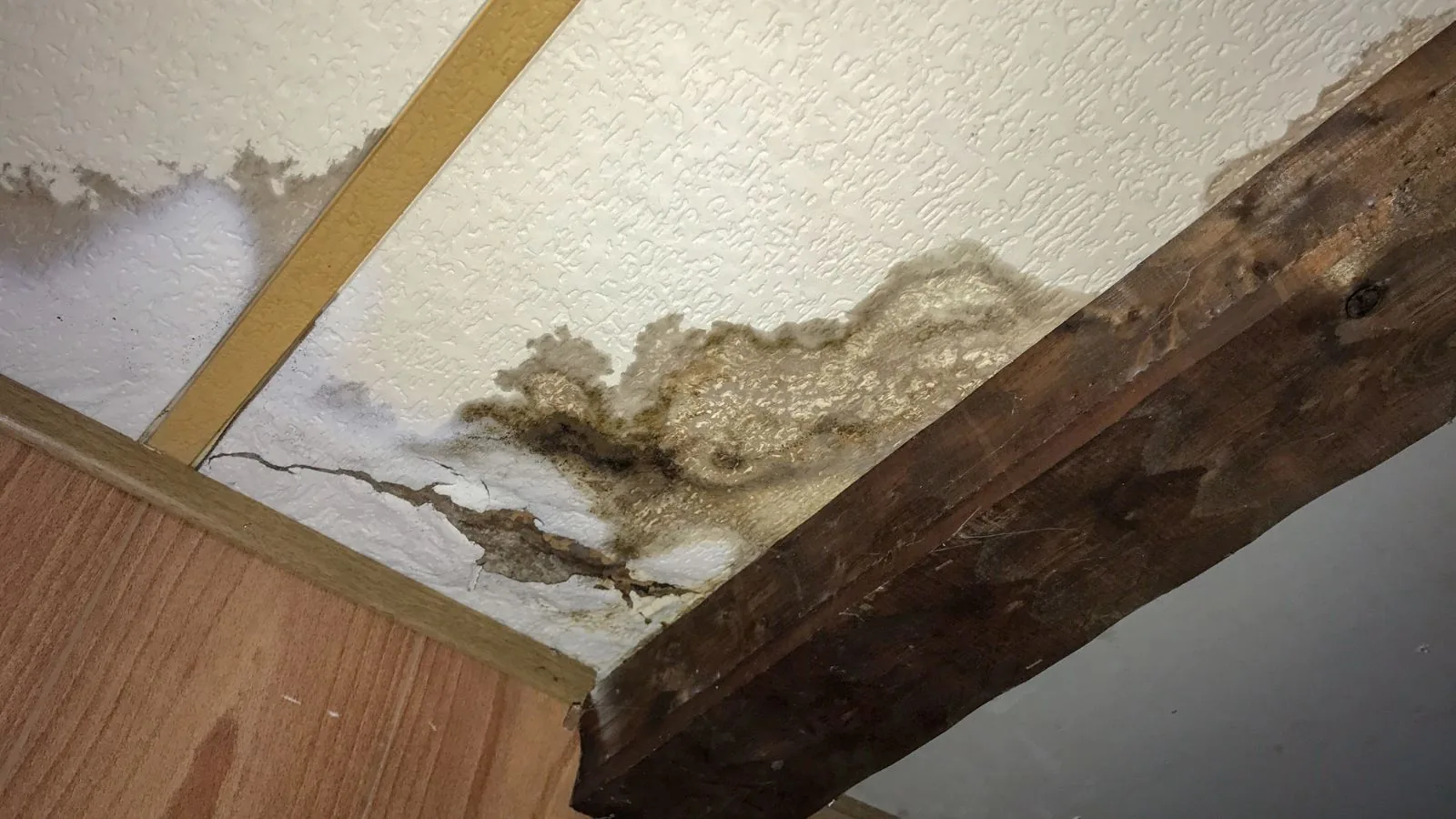
If your house has had water damage, you may be wondering what a buyer will see and what you have to say. This guide does not give legal advice. It explains why records matter and what to ask your agent or attorney.
California sellers generally complete disclosure forms about known conditions, and a buyer will usually order an inspection. Your agent or a real estate attorney is the right person to say what applies to your sale.
Why documents help
A buyer worried about past water damage wants proof that it was dealt with. A moisture log showing the structure reached the drying goal, photos of the work and invoices from licensed trades answer many questions before they are asked. Without them, an inspector may flag a stain as an unknown.
- Photos before, during and after the work.
- Moisture readings and drying goal records.
- Invoices and scopes of work.
- Plumbing repair records and permits if any.
- Insurance claim correspondence if relevant.
What inspectors look for
Inspectors look for stains, soft spots, musty odor, warped flooring and rust. A moisture meter or thermal camera can find damp areas that are not visible. If something turns up, a company can dry and assess it, and mold remediation covers the case where growth is found.
| Seller question | Useful record | Who can help |
|---|---|---|
| Was there a leak? | Plumber invoice | Plumber |
| Was it dried? | Moisture log and photos | Restoration company |
| Was it repaired? | Scope, invoice and permit if any | Contractor |
| Is there a claim? | Claim file | Your insurer |
Planning to sell? Call and ask about a moisture check before listing.
☎ Call (833) 521-1033Do not paint over problems
Painting over a stain without fixing the moisture is a common mistake, since it can reappear and an inspector can find it. Fix the source, dry the area and then repair. If you are unsure whether something is dry, measure it.
A seller checklist after a water loss
If you plan to sell, a few steps can make the process smoother. None of them requires you to be an expert, and each one reduces surprises for you and the buyer.
- Gather everything from the loss in one folder, including photos, invoices and moisture logs.
- Confirm that the source was repaired by a licensed trade and keep their invoice.
- Ask a restoration company to check moisture readings in the affected area if there is any doubt about whether it is dry.
- Check for permits on any repair that needed one.
- Talk to your agent about what to disclose and how, and ask an attorney if you have questions.
If the water damage happened years ago, the same steps apply. The older the event, the more helpful it is to have a record showing that it was resolved.
What buyers and inspectors tend to ask
| Question | Good answer includes | Where to find it |
|---|---|---|
| What happened? | Date, cause and area | Your notes and plumber invoice |
| Who fixed it? | Names of licensed trades | Invoices |
| Was it dried and tested? | Moisture log and photos | Restoration company |
| Any permits? | Permit numbers and sign-offs | City records |
| Has it recurred? | Honest history | Your records |
Repairing before listing versus selling as is
Some sellers repair before listing, and others sell as is and adjust the price. Each has pros and cons. Repairs can reduce negotiation friction, but they cost money and time. Selling as is shifts the work to the buyer but may invite lower offers and a closer inspection. Your agent can describe how the local market treats each option, and we recommend asking about it early.
Whichever path you choose, do not hide a known problem. A truthful, well-documented history is easier to defend than a surprise discovered during an inspection.
What we can and cannot do
We can dry a structure, record readings and provide photos. We cannot tell you what to disclose, how to price a house or whether a buyer will accept your records. Those are questions for your agent and, if needed, an attorney. We are happy to provide documentation of our own work when you ask.
Timing your records
The easiest time to collect records is while the work is happening. Ask for the moisture log at the end of the drying visit, photograph the finished repair and file the invoices the same week. Years later, a buyer or inspector may ask about an event you barely remember, and a folder with dates answers the question in a minute.
Millbrae note
Millbrae sits in San Mateo County close to San Francisco International Airport and the Millbrae station, and the housing mix includes both single-family homes and condos. For condo sellers, the HOA may hold records of building-wide leaks, so ask the association for its history, as the buyer will.
This applies to sellers from Millbrae Meadows to Downtown Millbrae. Source type: city and county profile information.
Questions for your agent
Ask your agent what to disclose, what an inspector is likely to test and whether to get a pre-listing inspection. Ask your attorney if a past claim, repair or dispute is involved. We handle the drying and the records, and we leave the legal advice to them.
Questions we hear in Millbrae
Do I have to disclose past water damage?
California sellers generally disclose known conditions, so ask your agent or attorney how it applies to you.
What records help a buyer?
Photos, moisture logs, invoices, permits and plumbing repair records.
Can I just paint over a stain?
Painting over does not fix moisture and can hide a problem an inspector may find.
Will a restoration company give me a moisture log?
Ask for it at the start. Readings and photos are part of good practice under ANSI/IICRC S500.
Who has records for a Millbrae condo?
The HOA or building manager often has a history of leaks in the building.