
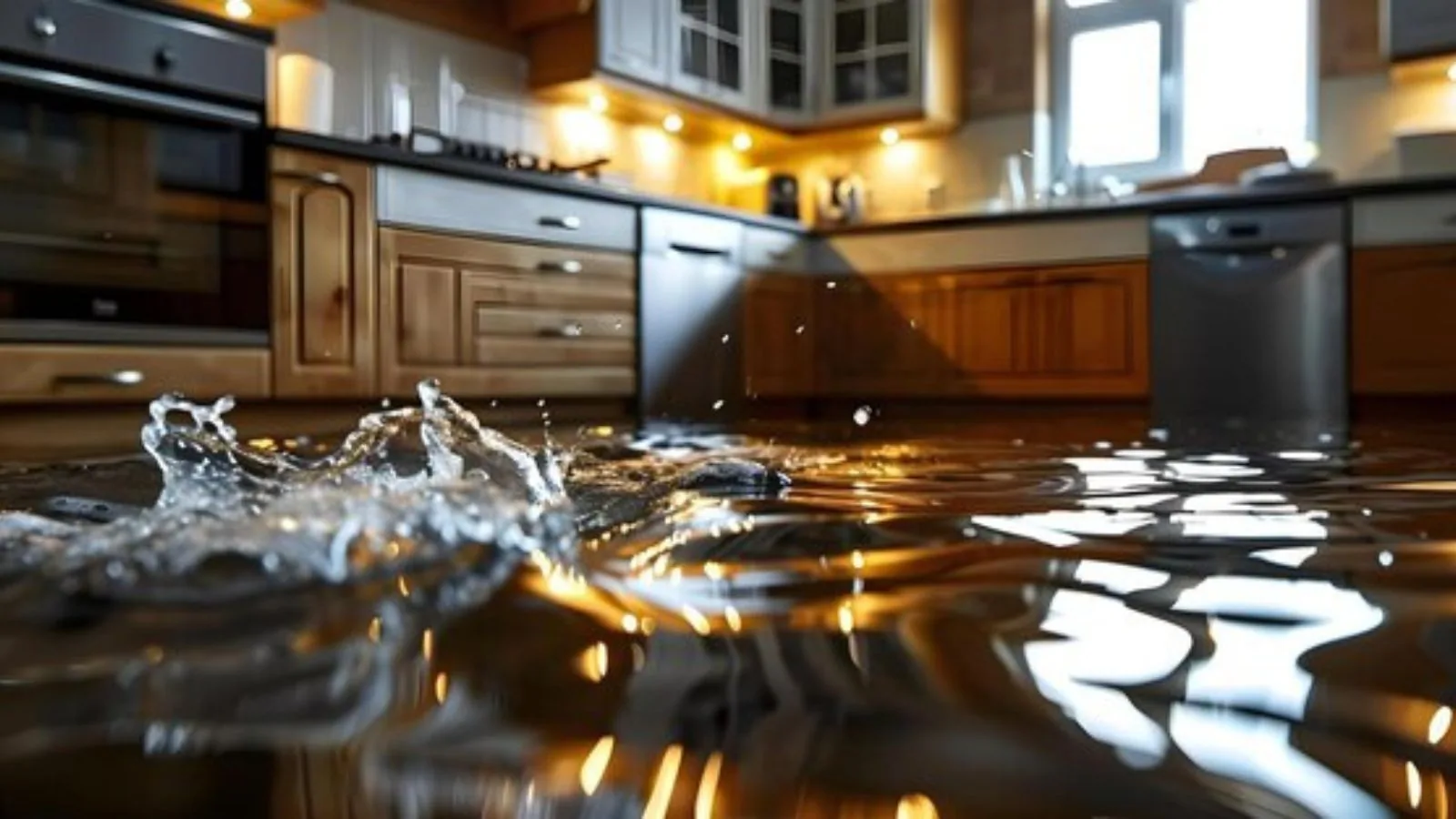
In an insurance context, water mitigation means the reasonable steps you take to prevent further damage after a covered loss. Policies often say it in other words, such as protecting the property from further damage. The idea is simple. You cannot leave a wet house to get worse and expect the insurer to pay for all of it.
This is a plain-language guide, not legal or insurance advice. Policies differ, so read yours and ask your insurer how it applies to your loss.
What your insurer usually expects
The California Department of Insurance guide to residential claims says to protect the property by covering damage with plastic sheeting or plywood, to keep receipts for those materials and to avoid major permanent repairs until the adjuster has inspected. It also says to dry wet areas promptly to reduce the risk of mold.
- Stop or reduce the source if you safely can.
- Take photos and video before moving things.
- Keep receipts for emergency protection and equipment.
- Avoid permanent repairs until the adjuster has looked.
- Keep a log of calls and copies of correspondence.
Mitigation versus repair in a claim
Mitigation costs and repair costs are often handled differently. Mitigation is the emergency work, such as extraction and drying. Repair is what follows, such as replacing drywall and flooring. Your insurer may inspect between the two, which is why the guide advises waiting on permanent repairs.
| Item | Mitigation or repair | Why it matters |
|---|---|---|
| Pumping water out | Mitigation | Stops spread and is time-sensitive |
| Running dehumidifiers | Mitigation | Part of drying to the goal |
| Cutting out wet drywall | Mitigation if needed to dry | Document before removal |
| New drywall and paint | Repair | Wait for adjuster inspection |
Need help documenting a loss? Call and ask about moisture logs and photos.
☎ Call (833) 521-1033Flood and the policy line
The same guide says homeowners policies do not cover flood damage and that flood insurance can be bought as a separate policy. That affects what counts as covered mitigation, so tell your insurer where the water came from. See flood damage cleanup for how outside water is handled.
Words your policy may use instead
Policies rarely say water mitigation. They are written in the language of duties and exclusions, so it helps to know the phrases that point to the same idea. You may see a requirement to protect the property from further damage, to make reasonable repairs to protect it, or to keep records of the expenses of doing so. Each one is describing the emergency phase of a job.
| Policy language you may see | What it usually points to | What to keep |
|---|---|---|
| Protect the property from further damage | Stopping the source, tarping, extraction | Photos and receipts |
| Reasonable repairs | Emergency steps, not a rebuild | Invoices |
| Duties after loss | Prompt notice and cooperation | Dates of calls and emails |
| Neglect | Failing to take reasonable steps | Evidence you acted promptly |
| Continuous or repeated seepage | Long-term leaks, often limited or excluded | Plumber records and dates |
These examples are common wording, not a quotation from any specific policy. Policies differ between insurers and between endorsements, so read your declarations page and policy form, and ask your insurer or agent what applies to your loss.
Sudden loss versus long-term seepage
One of the most important distinctions in a water claim is whether the damage was sudden or gradual. A pipe that bursts overnight is usually treated differently from a slow drip behind a wall that went unnoticed for months. The first is often what policies are built to cover. The second may be limited or excluded, depending on the wording.
This matters for mitigation, because the way you describe and document the loss affects how it is classified. Stick to facts. Write down when you noticed the water, where it came from if you know, what you did and who you called. Do not guess at causes you cannot confirm, and let a plumber or an adjuster identify the source.
How restoration records support you
A restoration company cannot decide your claim, but it can create records that help. Good records include the date and time of arrival, photos of each affected room, the category of water, the equipment placed and moisture readings taken each visit. When the adjuster reviews the file, these items show what was wet, what was done and when drying was complete.
- Ask for photos taken before any removal begins.
- Ask for the moisture log at the end of the job, not only the invoice.
- Ask for a list of materials removed and the reason for each.
- Keep your own notes of conversations with date and name.
- Send copies of invoices to your insurer as it requests.
What mitigation is not
Mitigation does not mean you may start a full rebuild and expect it to be approved. It also does not mean you may discard everything immediately. Hold damaged items that may be part of the claim until the adjuster says otherwise, and photograph anything you must remove for safety. When something truly cannot be kept, such as a sewage-soaked item, document it first.
If you disagree with how your insurer is treating the loss, the California Department of Insurance has a consumer assistance process. We do not give legal advice, and an attorney or public adjuster is the right resource for a dispute.
The drying practice described here follows ANSI/IICRC S500, and the claim guidance cited comes from the California Department of Insurance.
Millbrae note
Millbrae neighbors worried about flooding after a December 2021 storm, local news reported. Whether a given address is in a mapped flood hazard area is something to check on the FEMA Flood Map Service Center, and whether you have flood coverage is a question for your insurer. We do not publish flood zones for any street.
Owners in Green Hills and Downtown Millbrae can use the same steps. Source type: state insurance department guidance.
How we fit in
We stop the damage from spreading, dry the structure and give you photos and moisture readings. We do not promise a claim result, handle claim negotiation or speak for your insurer. What we can do is make the record clear.
Questions we hear in Millbrae
Does my policy use the term water mitigation?
Often it says something like protecting property from further damage. Read yours or ask your insurer.
Should I wait for the adjuster before doing anything?
No. Protect the property and keep receipts, but avoid permanent repairs until the adjuster has inspected, as the California Department of Insurance advises.
Are mitigation costs reimbursed?
That depends on your policy and the cause of the loss. Ask your insurer and keep every receipt.
Does mitigation cover a flood?
Homeowners policies generally exclude flood, so ask your insurer how your loss is classified.
Where do I check if my Millbrae address is mapped for flood?
Use the FEMA Flood Map Service Center and ask the City of Millbrae about drainage near your block.